
Seasonal Changes To Consider
There’s always that one day in October where walk outside in the early evening and are surprised that it is indeed quite dark. The now lessened hours of sunlight are an obvious seasonal shift indicator. And while essential to proper growth there are other factors that will additionally affect our houseplants.
- But first, to expand on the light dilemma. As less is available for photosynthesis it triggers plants to slow their growth sometimes even halting completely and sending them into dormancy. Without the promise of sustained energy the plant will not exert itself with new growth.
- This slowed or even halted growth additionally means that watering requirements differ dramatically. Your houseplants will not uptake as much water.
- Fertilizer should be cut out completely* as just like with water intake the additional core nutrients will not be tolerated and can cause harm.
- The cold air of the season has less capacity to hold water vapour which means humidity levels silently decrease and that same cold air can affect houseplants faster due to increased sensitivity if they are exposed to drafts.
- Primarily predators and weather conditions keep pests in check outdoors. The balmy and consistent conditions inside plus the natural weakening of their hosts means that preparing houseplants for the season has to include keeping a close eye on this potential problem.
*The one exception to the fertilizer rule are winter-blooming plants who naturally enter into the rigorous growth stage at this time of year.
Preparing Houseplants for the Seasonal Transition
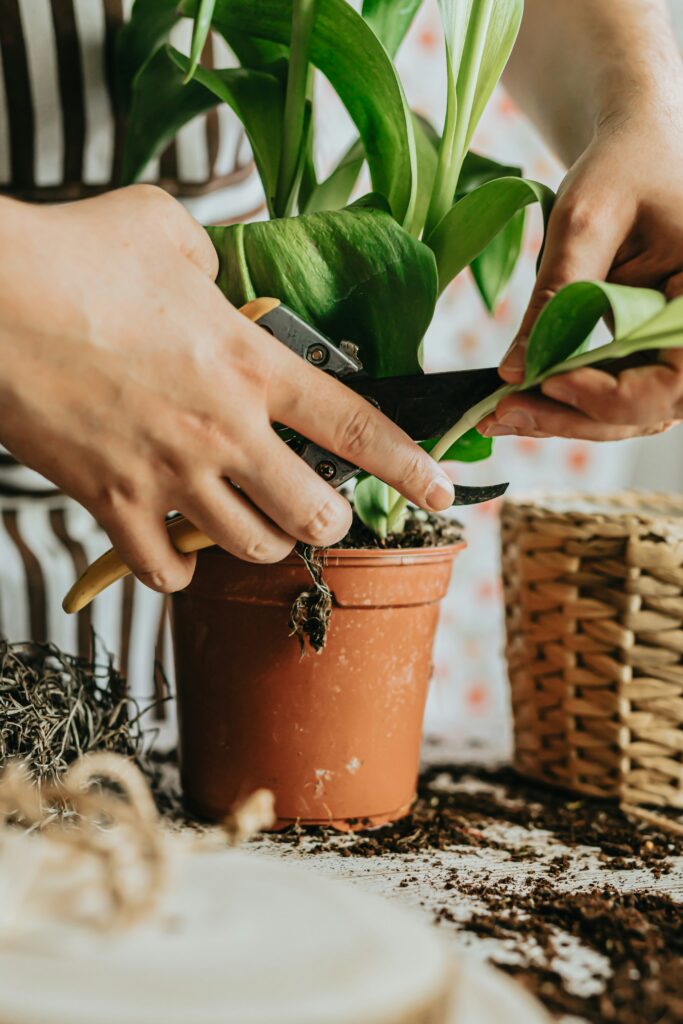
- Gently prune and groom each plant with tender love and care, only removing what is dead or dying. Wipe down the leaves with a soft cloth and just a bit of water to remove any dust or build-up, clean them thoroughly if coming from outdoors.*
- Avoid repotting during this time unless you have a severely root bound plant–and even then if it’s October or later, just wait until the Spring.
- Do a thorough check on your ‘preparing houseplants’ day for any obvious signs of pests. Treat immediately and make a note to complete a quick check once every few weeks.
- Reassess locations, rotate, reposition. Consider the types of houseplants you have, if they require high levels of light move them to the brightest spots.** As with pest checks, rotate houseplants once every few weeks as well. If you notice signs of light stress, consider the addition of grow lights.
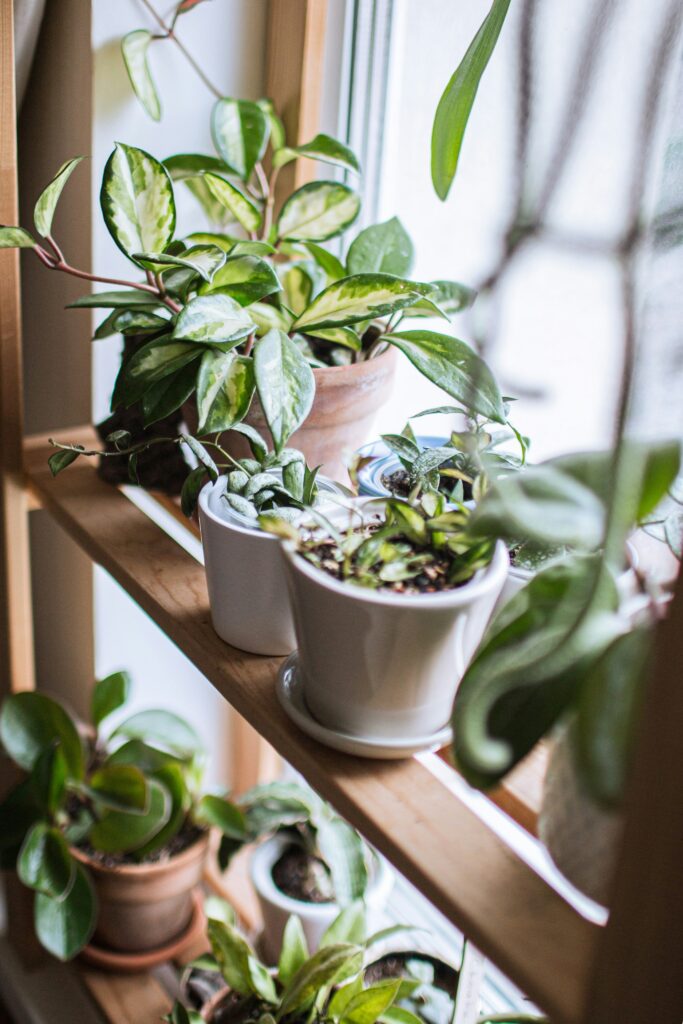
- While window sills are often excellent location candidates be sure to check for drafts and do your best to give ample room between the glass and foliage.
- Consider humidity–kitchens and bathrooms will sustain higher levels (as will basements but often they lack light). Move plants closer to these areas or consider alternatives like pebble trays or small humidifiers. You can also take your humidity-lovers and place them closer together essentially creating a microclimate and helping keep those levels consistent.
- Water requirements decrease, but don’t disappear. Continue to monitor accordingly.
*If you’re bringing in plants from the outdoors for a winter indoors be sure to complete the task well before the season changes.
**Funnily enough, light locations can be altered in the winter months owing to trees losing their leaves and actually allowing more light to penetrate through.
Through the Seasons
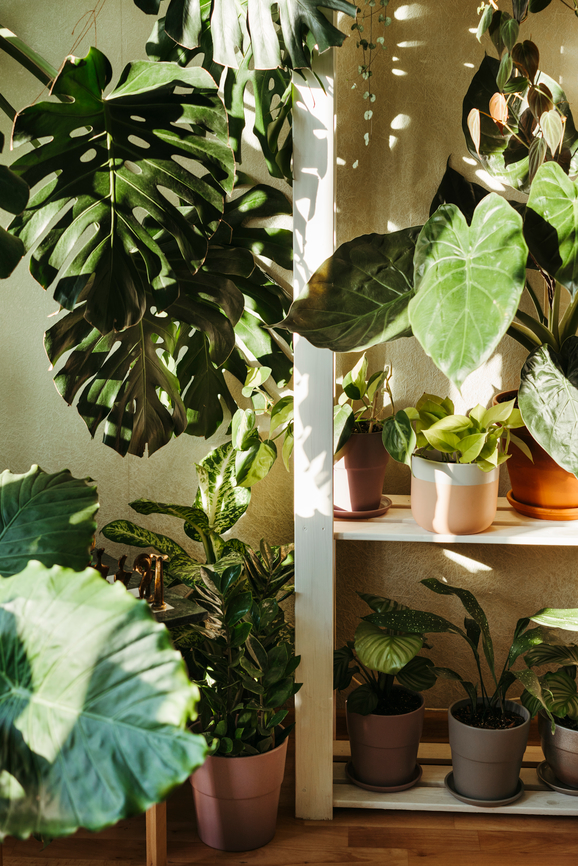
The more Falls and Winters you experience with your houseplants the easier it gets to tell when they are unhappy. And almost more importantly what you can do to help. It’s a beyond the basics understanding, but one that needs a bit of practise to master.
May your foliage stay healthy and beautiful all season long. To keep reading about all things home, garden and lifestyle, see the Wild Blog. And, if you don’t already, be sure to follow us on Pinterest and Instagram.