
When to Schedule Planting Day?
First things first, know your gardening zone. The zone is based on the extreme minimum temperatures and is an insight of what plants will do well and what kind of growing seasons you can expect. From there, if your winters present frost dangers or worse, check the last anticipated frost date of the year. Plan accordingly.
Preparations for the Big Day
Month(s) Before
Start with a review. What do you want to grow this year? Will you fill your spaces with fresh vegetables, herbs or maybe gardens or boxes dedicated to flowers only? Will you commit to starting seeds indoors? Or will you support a local nursery and purchase ready-plant transplants? Consider not only what you’d like to harvest, but additionally consider what you can preserve, jam or dry for future use. As you plan, make note of sowing locations, days to harvest and if starting indoors is recommended.
Based on our personal experience an winter’s afternoon spent with a seed catalogue and making notes and sketches for the garden is a guaranteed mood booster. Take to Pinterest, ours is an excellent starting point and get inspired. The world-or at least your garden is your oyster, make it come alive.
If starting any seeds work backwards from your last anticipated frost date to ensure you have them ready for transplanting, generally 6-8 weeks for many popular favourites.
Week(s) Before
Some seeds are cold hardy and can be sown directly in the ground weeks before your planting day. If you’re buying transplants, consider your space allowance. Make a brief calculation as to how many of each you’ll require. As you approach your allotted planting day begin thinking about hardening off your seedlings (where you acclimate them little by little to the outdoors).
Day(s) Before
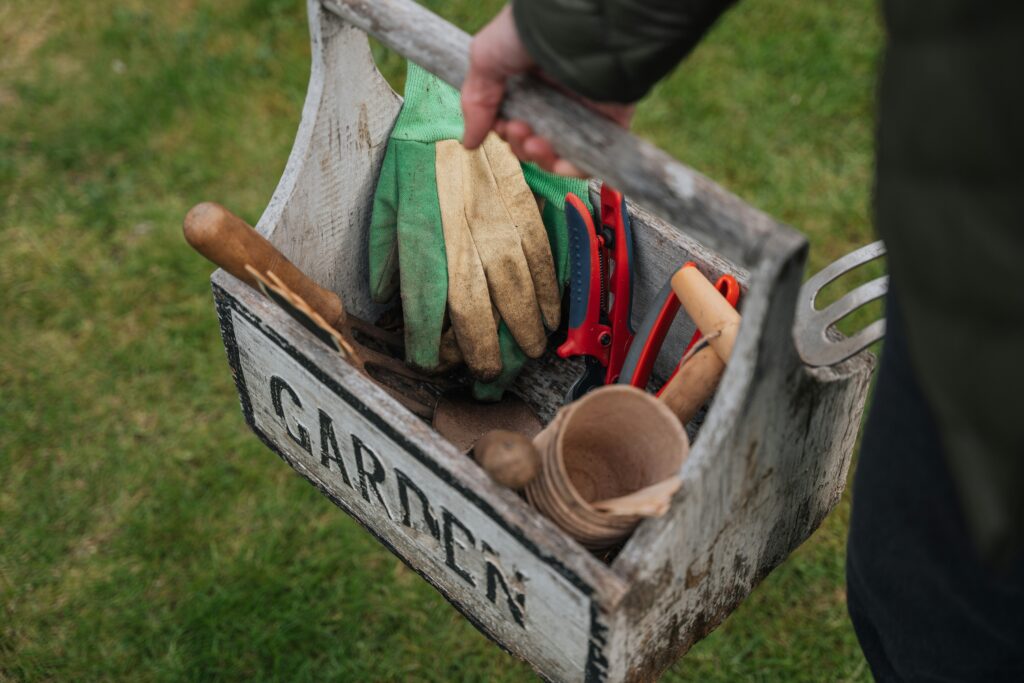
Review the weather and plan to plant on a day that is ideally overcast but so long as it’s not raining most other weather conditions are fine. Purchase any transplants* and any other necessities like soil, manure or fertilizer. Dust off your gardening equipment, check that everything is in proper working order. Turn your water on and check that your hoses or watering cans are ready for the heavy lifting. If you plan on separating/splitting any perennials consider whom you could gift a bit of hosta or hydrangea to.
*Julie notes, “In some places, everyone will rush to their garden centers the same weekend, arrive early or if your schedule permits, consider the weekend before to beat the rush. If you buy transplants even a few days before planting, don’t forget to water them as cells tend to be small and can dry out quickly.”
Planting Day
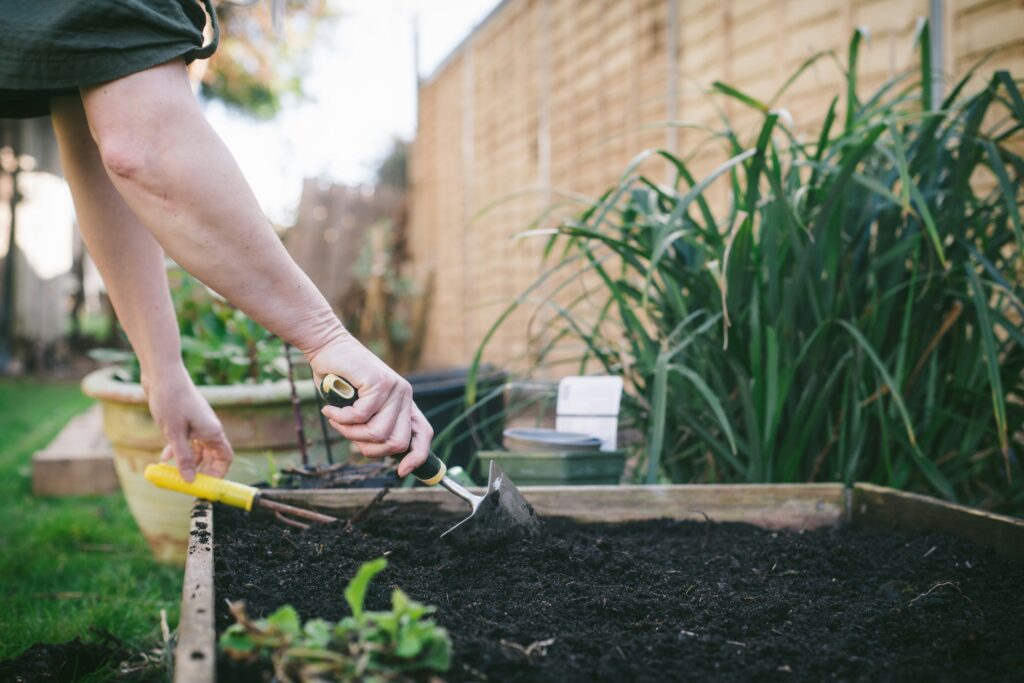
Wake up early, stay hydrated and enjoy on of the most wonderful days of the year. Start by preparing your soil, i.e., mixing in any manure, top soil or fertilizer and turning everything up. Then set your seedlings/transplants in their intended locations. Once you start your planting remember to provide ample water into the hole prior to and after planting. If you’re working in containers, be sure to provide a heavy and thorough watering. Then when all is planted, take a few pictures so that in a few months time you can truly see the transformation that you’ve put into motion.
In some odd cases, you’ll sometimes get a frost even after your final frost date. If you’ve planted and are altered of an upcoming frost, cover your seedlings/transplants with burlap or plastic pots to help keep the heat in. Mulching heavily additionally works but unless a plant specifically needs mulch it’s best to remove it once the threat has passed.
May this planting day be the best one yet and may your gardens overflow with abundance. For more reading on all things home, garden and lifestyle, peruse the Wild Blog . And, if you don’t already, be sure to follow us on Instagram.