The Year of the Ficus
The National Garden Bureau has announced this to be the Year of Ficus, with emphasis on their use as houseplants. Prized for their versatility and beginner-friendly maintenance, there’s truly a Ficus for everyone. Some are epiphytes, deriving moisture from the air like orchids; some grow edible fruit (figs!) and a great many are pollinated exclusively by tiny wasps that co-evolved together over the last 80 to 90 million years. Across the genus you’ll see dramatic, waxy leaves, aerial roots, and a telltale white/yellow latex. In many tropical forests they are even considered a keystone species; as they provide an essential food source for many animals year round when other food sources are scarce.
Genus Ficus, Household Favourites
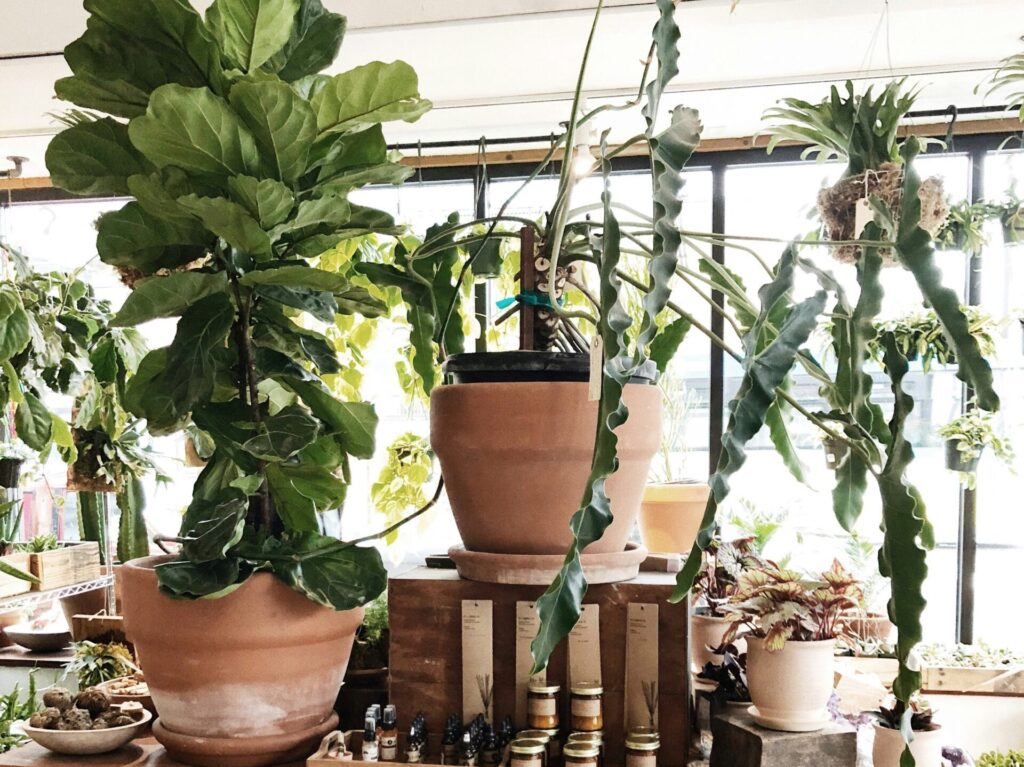
Arguably one of the most popular houseplants from this group is the fiddle leaf fig (Ficus lyrata). Exploding into popularity due to its striking visual aesthetic, large glossy leaves and effortless ability to make a bold statement. While still a favourite, here are several other members for consideration if you’re looking to bring a Ficus home:
Weeping Fig (Ficus benjamina)
Adding height and an elevated elegance, this tree-like ficus is a sculptural centerpiece. With dense crown of foliage comprised of shiny, dark leaves, this plant acts as a natural stress reliever and is said to bring peace and prosperity to the home.
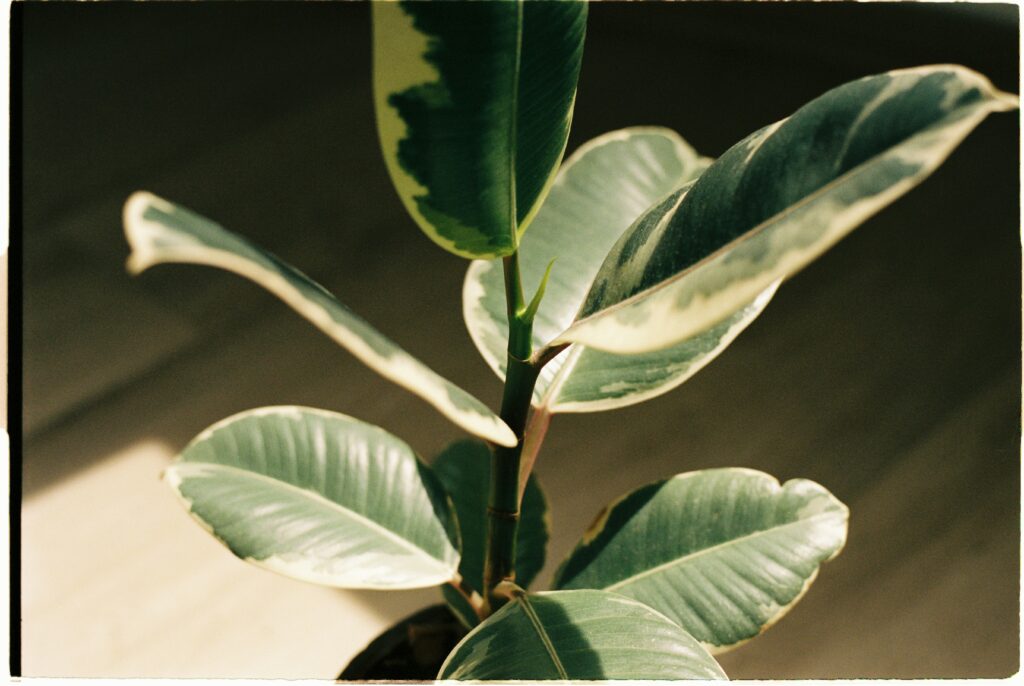
Rubber Tree (Ficus elastica)
True and tried, this species if known for being long-living, resilient and significantly less fussy that some of its relatives. Oblong, shiny leaves with a delicate point are the visual focus, while several cultivars offer distinct colour combinations.
Ginseng Ficus (Ficus microcarpa)
Capable of being grown as a bonsai* or cherished in its natural form, this is an extraordinary option ideal for bonsai beginners. With a thick and “pot-bellied” trunk and bright, lustrous leaves, this species boasts air-purifying qualities and aiding in stress relief. Considered hardy and easily trained into intricate and beautiful shapes.
*Bonsai is where you can adjust the size and shape of a plant with careful brand and root pruning, essentially controlling the environment to create a miniature tree that resembles an aged tree in its natural environment, just in a dramatically smaller scale.
Understanding General Care
Let there be Light!
Some species can be classified as tolerant of low-light, however the members of genus tend to do best in bright, in-direct light. Dropping of leaves or slowed growth is often an indicator of a poor location selection. It’s good practise to turn your plant regularly as well for even growth.
Water with Soil Dryness in Mind
Provide a good, deep watering only when the top few inches of soil are dry until water moves through the drainage holes. Do not let your saucer pool any water. And be sure to never let your ficus sit in water over a prolonged period of time. Expect to water more during the summer months and less in the winter. Generally, regular humidity is fine, however, some tropical species prefer higher levels.
Julie notes: It’s a good practise to use room-temperature water to help avoid root shock from water that is out of the ideal temperature range. When it comes to humidity, look to the leaves to help you understand humidity requirements. Thicker, waxy leaves require less humidity in comparison to their thinner leaved counterparts.
Re-Pot Regularly
If you’re caring for your ficus correctly, they’ll often grow at a good pace. Subsequently, while they can put up with being slightly root bound, it is important to review set root ball annually and repot as needed.
May a ficus brighten your home this year. For more reading on all things home, garden and lifestyle, peruse the Wild Blog . And, if you don’t already, be sure to follow us on Instagram and Pinterest.